Source E Mechanism Entry Grade Flute for Schools, Bands, and Students
Compare 22 e mechanism entry grade flute options from verified Chinese manufacturers. Buyers can evaluate silver-plated models with closed or open holes, varying key counts, and packaging details to find suitable woodwind instruments for educational and performance use; compare the available evidence and request quotations based on your requirements.
Key considerations
Products List


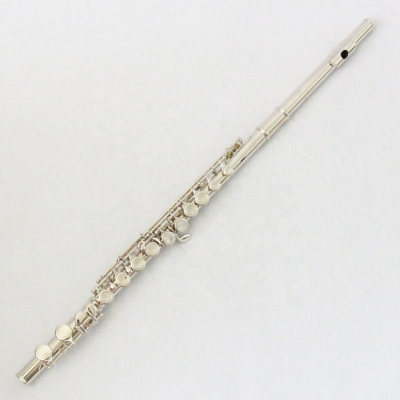


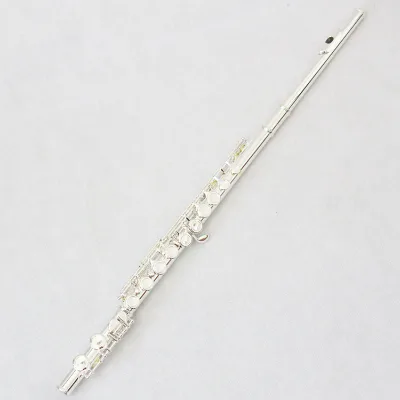
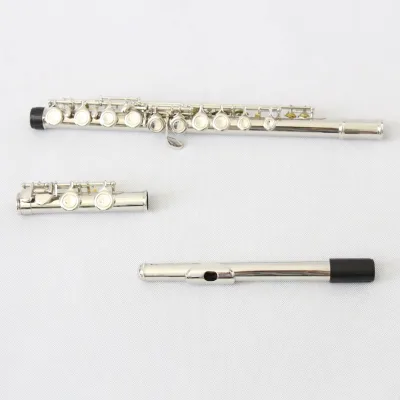
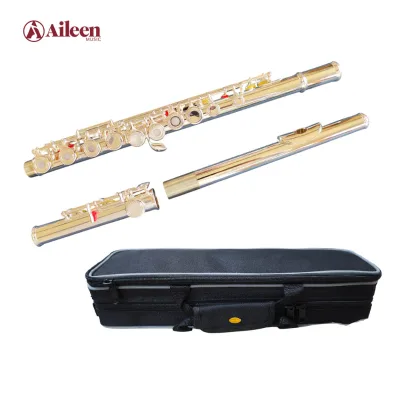
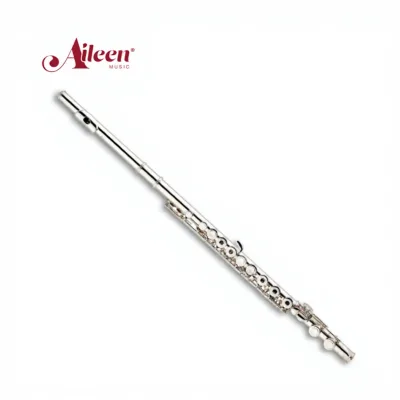
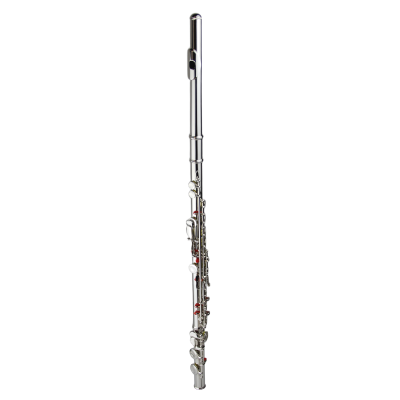
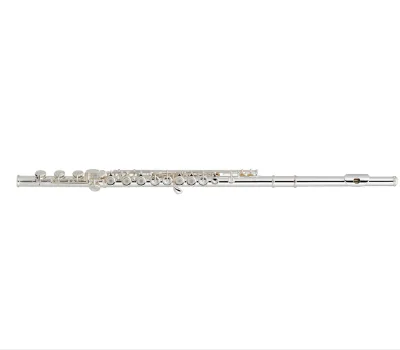
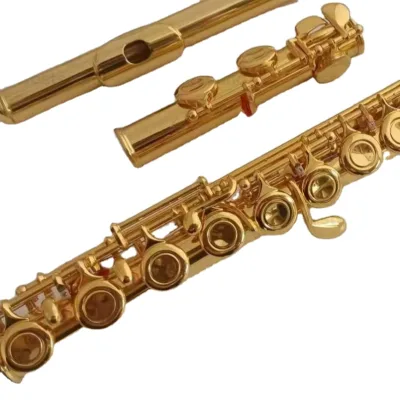
Comprehensive Sourcing Guide
E Mechanism Entry Grade Flute Sourcing Guide
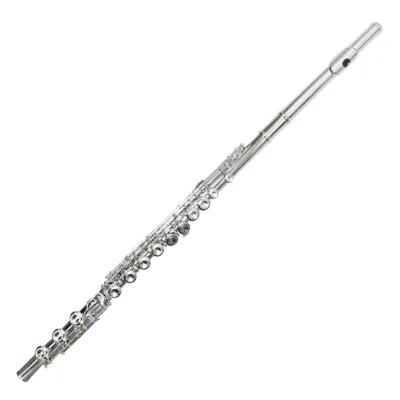
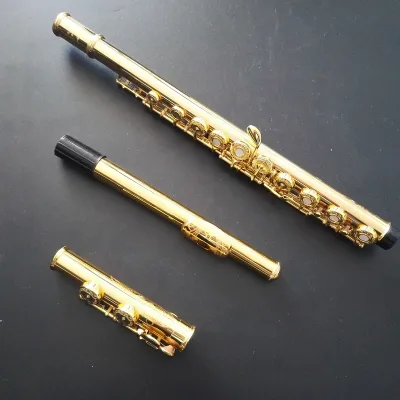
Sourcing entry-grade flutes with an E mechanism requires careful attention to mechanical reliability and acoustic consistency. The E mechanism is a critical feature for beginner players, as it facilitates the smooth transition between low and high registers by linking the E key to the G key. This linkage reduces finger strain and improves intonation stability, which is essential for students developing proper technique. Buyers must verify that the mechanism is robustly constructed to withstand frequent use by novice musicians who may not yet have refined their handling skills.
The market offers a variety of models, often identified by specific product codes such as LKFL-306SE or TSFL-K316, which may indicate different key configurations or body materials. Procurement teams should distinguish between closed-hole and open-hole designs, as this choice significantly impacts the learning curve. Closed-hole flutes are generally preferred for absolute beginners because they allow for easier finger placement and reduce the likelihood of air leaks. Understanding these structural differences is vital for selecting instruments that match the specific pedagogical goals of the educational institution or music store.
Product Scope and Observed Listing Signals
Current market listings indicate a price range of approximately $50.93 to $606 USD, reflecting significant variation in material quality and manufacturing precision. The observed minimum order quantity (MOQ) ranges from 1 to 100 units, suggesting flexibility for both small trial orders and bulk institutional purchases. Buyers should note that lower price points often correlate with basic materials like cupronickel or brass with silver plating, while higher tiers may offer more durable finishes or superior key mechanisms. This wide variance necessitates a clear definition of quality expectations before engaging with suppliers to avoid misaligned procurement outcomes.
Packaging specifications vary considerably across suppliers, with some offering individual cases while others use standard cartons containing multiple units. For instance, some listings specify packing densities such as 10 pieces per carton or 4 pieces per carton, with dimensions like 44x27x39 cm or 58x38x22 cm. These logistical details directly impact shipping costs and storage requirements. Procurement specialists must evaluate whether the packaging provides adequate protection for the instruments during transit, especially for fragile components like the E mechanism linkage. Clear packaging standards are essential to minimize damage rates and ensure that products arrive in sellable condition.
Technical Specifications to Verify
The core material composition is a primary technical consideration, with many entry-grade flutes constructed from brass or cupronickel bodies finished with silver plating. This combination offers a balance between cost-effectiveness and acoustic warmth, though buyers should verify the thickness of the plating to ensure long-term durability against tarnishing and wear. The presence of an E mechanism is a key differentiator, requiring inspection of the key linkage for smooth operation and secure attachment points. Any play or resistance in the mechanism can hinder performance and lead to customer dissatisfaction, making mechanical testing a critical step in the quality assurance process.
Key configuration and hole design further define the instrument's usability. Listings may specify 16 open keys or 16 closed keys, with hole designs categorized as either open or closed. Open-hole flutes require more advanced finger technique to prevent air leaks, whereas closed-hole models are more forgiving for beginners. Additionally, the tone range, often specified as Alto or standard C/G, must align with the intended curriculum or performance needs. Buyers should request detailed specifications for each model to ensure that the selected instruments meet the technical requirements of the end-users, particularly regarding ergonomic fit and acoustic response.
Compliance and Safety Documentation
Certification requirements are paramount for ensuring that musical instruments meet international safety and quality standards. Many suppliers provide certifications such as CQC, CE, and SGS, which indicate compliance with specific regulatory frameworks regarding material safety and manufacturing processes. Buyers must verify the validity and scope of these certifications, ensuring they cover the specific models being procured. For instance, CE marking is essential for products sold in the European market, while CQC certification may be relevant for domestic sales in China. These documents serve as proof that the instruments have undergone necessary testing for harmful substances and structural integrity.
Quality assurance documentation should also include details on surface finishes and protective coatings. Processes such as lacquering or brushing are often employed to enhance durability and aesthetic appeal. Buyers should confirm that these finishes are applied evenly and do not contain hazardous chemicals that could pose health risks to users. Additionally, packaging standards, such as carton specifications and gross weight per batch, should be documented to ensure consistency in logistics and handling. Clear compliance records not only facilitate customs clearance but also build trust with institutional buyers who prioritize safety and regulatory adherence in their procurement decisions.
Cost Drivers and Commercial Terms
Several factors influence the final cost of entry-grade flutes, including material selection, manufacturing complexity, and packaging requirements. The use of silver-plated keys and bodies, along with the integration of an E mechanism, adds to the production cost compared to simpler models. Buyers should analyze the cost breakdown to understand where value is added, such as in the quality of the reed, mouthpiece, and included accessories like gloves and caps. These accessories can significantly enhance the perceived value of the product, making them a worthwhile consideration for bulk purchases aimed at educational institutions.
Commercial terms, including MOQs and lead times, play a crucial role in budget planning and inventory management. Suppliers may offer customized packaging or OEM services, which can affect pricing and delivery schedules. Buyers should negotiate clear terms regarding sample availability, as some suppliers provide single-piece samples for evaluation. Understanding the cost implications of customization, such as specific branding or packaging modifications, is essential for accurate budgeting. Transparent communication about these variables helps prevent unexpected expenses and ensures that the procurement process aligns with financial constraints and operational needs.
Supplier Qualification and Quality Control
Evaluating supplier qualifications is essential for securing reliable sources of entry-grade flutes. Buyers should prioritize suppliers who demonstrate a commitment to quality through consistent certification records and positive feedback on product durability. The ability to provide customized solutions, such as specific key configurations or packaging options, indicates a supplier's flexibility and responsiveness to market demands. Additionally, suppliers located in established manufacturing hubs, such as Shandong, China, may offer advantages in terms of supply chain efficiency and cost competitiveness. Due diligence in verifying supplier credentials helps mitigate risks associated with inconsistent product quality or delivery delays.
Quality control measures should be rigorously enforced throughout the production process. Buyers should implement inspection protocols that check for mechanical defects, particularly in the E mechanism and key linkage systems. Surface finish quality, including the evenness of silver plating and the integrity of lacquered coatings, must be verified to ensure long-term performance. Random sampling from production batches can help identify potential issues before they become widespread. Establishing clear quality benchmarks and communicating them effectively to suppliers ensures that the final products meet the expected standards, reducing the likelihood of returns and customer complaints.
Long-Term Procurement Checks
Sustaining a successful procurement strategy for entry-grade flutes requires ongoing monitoring of supplier performance and product quality. Buyers should regularly review feedback from end-users, such as music teachers and students, to identify any recurring issues with instrument performance or durability. This feedback loop is crucial for making informed decisions about future orders and potential supplier changes. Additionally, staying updated on industry trends and technological advancements in flute manufacturing can help buyers select more advanced models as student skill levels progress. Continuous engagement with suppliers fosters a collaborative relationship that can lead to improved product offerings and better service levels.
Long-term cost management involves periodic reviews of pricing structures and commercial terms to ensure competitiveness. Buyers should compare current offers against market benchmarks to identify opportunities for cost savings without compromising quality. Negotiating volume discounts or long-term contracts can provide stability in pricing and supply. Furthermore, evaluating the environmental impact of materials and packaging can align procurement practices with sustainability goals. By maintaining a proactive approach to supplier management and market analysis, buyers can ensure a steady supply of high-quality instruments that support the educational and musical development of their customers.
FAQs
What materials are used in e mechanism entry grade flutes?
These flutes typically use brass bodies with cupronickel components and silver-plated keys. The surface finish is often lacquered or brushed to ensure durability and aesthetic appeal. This combination provides a balanced tone suitable for entry-level students while maintaining structural integrity during regular practice sessions.
Can I customize the e mechanism entry grade flute?
Yes, customization is available for these instruments. Buyers can request specific modifications to meet particular educational or performance needs. OEM services are accepted, allowing for tailored branding or design adjustments. This flexibility ensures that schools and individual buyers can obtain instruments that align with their specific requirements.
Which certifications apply to these entry grade flutes?
These flutes often carry CQC and CE certifications, ensuring compliance with regional safety and quality standards. Additionally, SGS quality certification may be provided to verify material safety and manufacturing consistency. These credentials help buyers confirm that the instruments meet established regulatory requirements for educational and musical use in various markets.
How are e mechanism entry grade flutes packaged?
Packaging varies by model but typically includes sturdy cartons or cases. For instance, some models pack ten pieces per carton with dimensions around 43x13x10 cm, while others use four pieces per carton. Accessories like mouthpieces, reeds, caps, and gloves are often included to provide a complete playing experience for new students.
What is the typical MOQ for these flutes?
The minimum order quantity ranges from one piece for samples to one hundred pieces for bulk orders. This flexible MOQ structure supports both individual buyers seeking single instruments and educational institutions requiring larger batches. Buyers can start with a sample to verify quality before committing to a larger procurement volume.
Where are these flutes manufactured?
These instruments are primarily manufactured in China, with specific production hubs located in regions like Shandong. This geographic concentration allows for efficient supply chain management and consistent quality control. Buyers can leverage this manufacturing base to access competitive pricing and reliable delivery schedules for their educational instrument procurement needs.